Transporting an obese patient safely and comfortably presents unique challenges that require thoughtful planning and compassionate methods. As healthcare providers and caregivers navigate these situations, finding the best approaches can make a meaningful difference in outcomes and patient well-being. In this article, we explore practical tips and essential considerations to ensure that moving an obese individual is done with care, efficiency, and respect-turning a demanding task into a manageable and safer experience for everyone involved.
Table of Contents
- Understanding the Unique Needs of Obese patients for Safe Transportation
- Selecting the Right Equipment to Ensure Comfort and Security
- Step-by-Step Techniques for Safe Moving and Handling
- Essential Tips for Staff Training and Patient Comfort During Transfers
- Q&A
- In Conclusion
Understanding the Unique Needs of Obese patients for Safe Transportation

No products found.
Transporting an obese patient requires special attention to their comfort and safety. Their size and weight can make regular moving methods ineffective or even risky. It’s essential to recognize that extra support, proper equipment, and gentle handling are key to preventing injury for both the patient and the caregiver. Tailoring the approach to each individual’s physical condition helps ensure a safer, less stressful process.
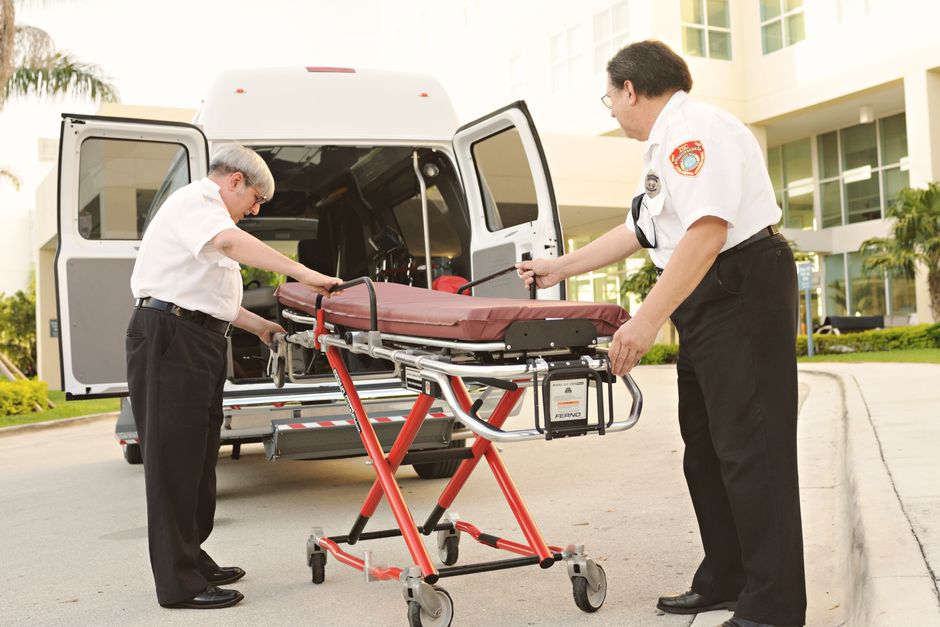
Choosing the right equipment is crucial.Items like bariatric wheelchairs or stretchers are designed to handle higher weight capacities comfortably.Also, ensuring transportation routes are clear and smooth can prevent slips or falls. Caregivers should always communicate clearly with the patient, explaining each step. Proper readiness and understanding each patient’s specific needs can make all the difference in achieving a safe, comfortable move.
Selecting the Right Equipment to Ensure Comfort and Security
No products found.
Step-by-Step Techniques for Safe Moving and Handling

No products found.
When moving an obese patient,safety is key for both the patient and the caregivers. start by ensuring you have the right equipment, like heavy-duty transfer sheets, slide boards, or gait belts designed for larger weights. Clear the area of obstacles and make sure the floor is dry to prevent slipping. Always communicate clearly with the patient, explaining each step to reduce anxiety and encourage cooperation. Use proper body mechanics – lift with your legs, keep your back straight, and avoid twisting – to prevent injuries. If possible, get additional help from another caregiver to distribute the weight evenly and make the transfer smoother and safer.
Using supportive devices like lifts or transfer chairs specifically made for bariatric needs makes the process safer and more comfortable. These tools minimize physical strain and help reduce the risk of falls. When positioning the patient, ensure they’re comfortable and adequately supported to prevent pressure sores.Regularly check their position and keep lines of communication open. With patience and the right equipment,caregivers can perform transfers more efficiently,making the process safer for everyone involved and ensuring the patient’s dignity and comfort.
Essential Tips for Staff Training and Patient Comfort During Transfers

No products found.
Moving an obese patient safely begins with proper staff training. Employees should learn specific techniques for handling heavier individuals to prevent injuries and ensure comfort. Regular training sessions can teach correct lifting methods, use of transfer equipment, and communication skills. When staff are confident and knowledgeable, the patient feels more secure, and the risk of accidents drops substantially. clear protocols also help staff work as a team during transfers, making the process smoother and safer.
Patient comfort is just as important as safety. Using the right transfer tools,like bariatric slings and sturdy transfer boards,reduces unnecessary strain. Make sure the patient feels supported and relaxed throughout the move. Communicate clearly, explaining each step and asking for feedback. Creating a calm environment, with proper padding and a smooth transfer surface, also helps make the experience less stressful. Ultimately, combining proper staff training with attention to patient comfort leads to safer, more comfortable moves.
Q&A
Q: Why is specialized planning important when transporting an obese patient?
A: Proper planning ensures safety for both the patient and the caregiver. It helps prevent injuries, reduces discomfort, and guarantees that the necessary equipment and assistance are available, making the movement smooth and efficient.
Q: What tools or equipment are recommended for safely moving an obese patient?
A: devices such as bariatric lift slings, sturdy transfer sheets, wider wheelchairs, and reinforced beds are essential. utilizing mechanical lifts or hoists can significantly reduce strain and improve safety during transfers.
Q: How can caregivers prepare the environment for moving an obese patient?
A: Clearing the area of obstacles, ensuring adequate space, and positioning equipment ergonomically are key steps. Additionally, setting up all necessary tools within easy reach minimizes sudden movements and enhances safety.
Q: What are some gentle techniques to transfer an obese patient comfortably?
A: Using slow, coordinated movements, engaging the patient when possible, and employing proper body mechanics-such as bending at the hips and knees-can reduce discomfort. Communicating clearly throughout the process also helps the patient feel secure.
Q: Are there specific considerations to keep in mind when lifting or transferring an obese patient?
A: Yes. Always assess the patient’s mobility level, use appropriate equipment, and avoid lifting more than what can be safely managed. If in doubt, seek assistance or use mechanical aids rather than risking injury.
Q: What role does staff training play in safely transporting obese patients?
A: Proper training equips caregivers with the skills to perform transfers safely,understand the use of specialized equipment,and respond effectively to unexpected challenges,ultimately ensuring safer and more comfortable movements.
Q: How can technology improve the process of moving obese patients?
A: Innovations like powered lifting devices,ergonomic transfer mats,and patient tracking systems can streamline moves,reduce physical strain,and enhance safety protocols.
Q: What are the key takeaways for ensuring a safer, more comfortable transport of obese patients?
A: Plan ahead, utilize appropriate equipment, communicate clearly, move slowly and carefully, and prioritize safety at every step. With these tips, caregivers can provide dignified and comfortable care during transfers.
This Q&A aims to provide practical insights into the safe and comfortable movement of obese patients, emphasizing preparedness, appropriate tools, and compassionate communication.
in summary
In the journey of ensuring safe and comfortable transportation for obese patients, every step counts. By embracing proper techniques, utilizing the right equipment, and approaching each move with care and respect, caregivers can make a significant difference in the patient’s well-being. Remember, safety isn’t just about avoiding injury-it’s about fostering dignity and comfort every step of the way. With these easy tips in mind, you’re better equipped to turn challenging moves into moments of compassionate care. After all, a thoughtful approach transforms the act of moving into an act of kindness.
